

When individuals ready themselves for a operative intervention, it is virtually guaranteed natural to feel worry concerning their health. This fear commonly centers upon the question about if the doctors is truly qualified. This question is the pivotal element of medical literacy, because the lives remain placed directly within the hands by these deeply trained professionals. Contemporary surgical practice has advanced into a highly rigorous domain, nevertheless the dread persists deeply embedded in our collective consciousness. To comprehend the actual nature of surgical safety, we should examine the layers of training, regulation, along with the institutional mechanisms created intended to defend each individual.
The rigorous pathway to achieving the status of an accredited surgical specialist is a primary bedrock of patient security. Prior to ever stepping inside the surgical room, a prospective doctor must complete many years of intensive training, followed by the strenuous requirements of surgical residency. This lengthy timeframe of mentorship secures that every procedural abilities are refined, also that critical thinking processes necessary to handle the crises of operations are solidified. Furthermore, the credentialing agencies consistently assess the proficiency of active surgeons. This ongoing evaluation cycle serves to be the essential buffer preventing incompetence, verifying that benchmarks we rightfully anticipate is maintained without exception.
Facility oversight performs an just as vital function in upholding surgical welfare. Scarcely any physician functions within a complete vacuum. Modern medical centers implement layered verification procedures, including mandatory time-outs where the surgical team stops to confirm the identity, the specific site, and the necessary tools. These unified protocols dramatically diminish the human blunder, forming an essential protective buffer that protects individuals when a singular person undergoes a moment of oversight. This is the collective approach which emphasizes individual outcomes above single prestige.
Despite these stringent protections, the public should admit that reality of surgery is fundamentally complex. Not any medical intervention is completely devoid of risk. Elements such as the patient's underlying medical conditions, sudden biological responses, and the inherent intricacy of certain procedures constantly introduce a level of element of unpredictability. It becomes imperative for individuals to grasp that a physician's reliability functions as the managing force, but rather a complete assurance regarding a ideal result. Open communication between the medical provider and the recipient remains the most essential component in navigating such uncertainties. If best surgeons turkey explains the complications, the individual is empowered to form a truly educated determination.

Progress within surgical tools are constantly improving the safety of operative procedures. Starting with minimally intrusive technologically-enhanced surgical systems all the way to sophisticated real-time monitoring, such innovations have been engineered in order to give the surgeons with unparalleled precision. While these innovations can not substitute the vital practitioner's skill, these systems significantly curtail the potential the risk of procedural mistake. Furthermore, the environment of surgical safety is continuously evolving from the top-down framework toward the a more inclusive environment where every participant in the surgical staff—including the nurses to anesthesia providers—are encouraged to raise potential concerns. This openness is a foundation for modern operative security.
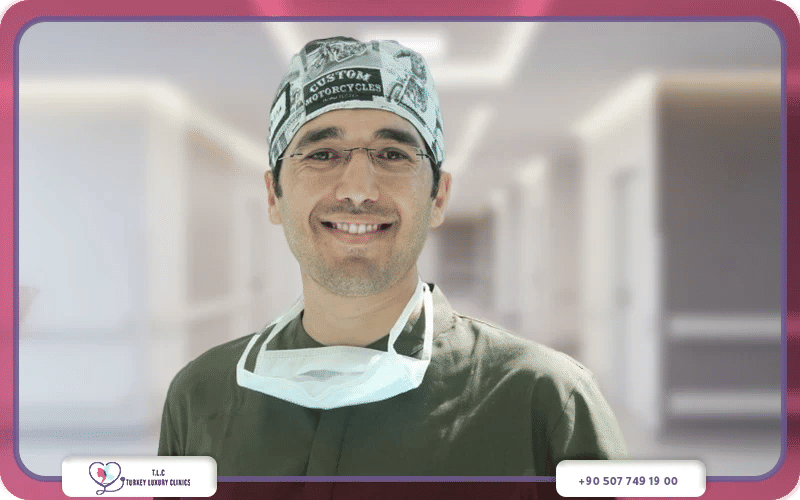
Ultimately conclusion, the pervasive doubt concerning if our specialists are safe functions as the mirror reflecting our understandable need to ensure predictability within the medical experience. The fact remains that the present medical system is built meticulously to prioritize the] well-being of individual. Through rigorous training, stringent governance, and incorporation of advanced modern systems, our surgical community has undeniably reached unparalleled degrees of reliability. Yet, this it remains equally crucial that patients to engage in the process, maintaining transparent dialogue with their surgical teams. Through fostering this foundation of shared understanding, that partnership between the patient and surgeon becomes the powerful tool for the best surgical results. Ultimately, patients can place a degree of trust in our medical professionals, realizing that entire system is dedicated safeguarding the lives.